AI in HR: Balancing Innovation with Human Insight
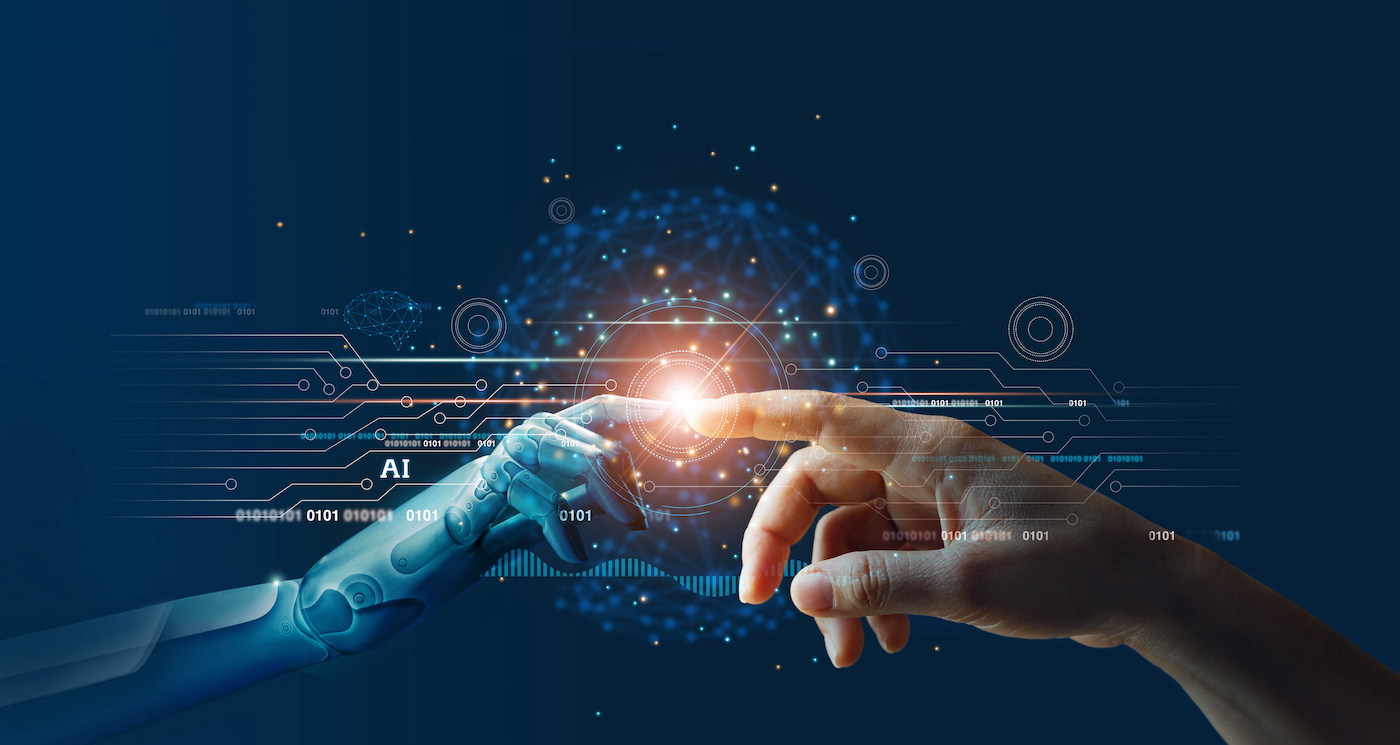
Artificial intelligence (AI) is revolutionizing human resources, offering powerful tools that streamline processes, enhance decision-making, and improve the overall employee experience. However, while AI brings undeniable benefits, it also comes with risks. The key to success is not replacing human expertise but integrating AI in a way that enhances, rather than replaces, human judgment.
The Benefits of AI in HR
AI can help business owners, managers and/or HR professionals save time by generating structured outlines for key documents, serving as a starting point for applying their expertise in legislative requirements and best practices. By automating the initial drafting process, AI ensures documents maintain a consistent tone, professionalism, and intent. This allows HR teams to focus on fine-tuning content to align with legal standards and organizational goals, reducing the time spent on formatting and restructuring while improving overall efficiency.
AI-driven analytics provide deeper insights into workforce trends, helping HR teams predict turnover, identify skill gaps, and make data-driven hiring decisions. These predictive capabilities can create a more proactive approach to workforce planning.
Additionally, AI-powered chatbots and virtual assistants improve employee experience by providing instant responses to common HR inquiries. This enhances efficiency and ensures employees receive timely support.
The Risks of AI in HR
Despite its advantages, AI is not without risks. Bias in AI algorithms remains a critical concern. If AI models are trained on biased data, they can unintentionally perpetuate discrimination in hiring and promotions. Regular auditing and diverse training are essential to mitigating this risk.
Another challenge is the lack of human empathy in AI-driven decisions. While AI can analyze data efficiently, it cannot replace the nuanced understanding that Certified Professionals in HR bring to complex situations such as conflict resolution or performance reviews. Not to mention emotional intelligence is a key focus in the work of human resources where the “Human” touch is best delivered. AI just can't replace aspects like human empathy at this time!
Moreover, excessive reliance on AI can lead to a disconnect between HR and employees. Over-automation can create an impersonal work environment, reducing trust and employee satisfaction.
Using AI Responsibly in HR
To harness AI effectively, HR teams must adopt a balanced approach—combining AI’s efficiency with the critical thinking and empathy of human professionals.
First, transparency is key. Employees should understand how AI is being used in decision-making processes. Clear communication ensures trust and reduces concerns about unfair treatment.
Second, AI should be treated as a decision-support tool rather than a decision-maker. AI-generated insights should always be reviewed by Certified Professionals in HR to ensure fairness and accuracy. When legislation changes happen it needs to be addressed in all HR documentation to avoid unnecessary liability and possible litigation. Certified Professionals in HR are in the know when these changes occur and are able to ensure that documentation is attended to in an accurate and timely manner. Oh, guess what we just happen to be Certified and love HR – we are here to help!
Lastly, continuous monitoring and adaptation are crucial. AI models should be regularly updated and audited to prevent biases and inaccuracies from creeping into HR processes.
AI can be a game-changer in HR, but it should never operate in isolation. The best results come from a collaboration between AI and the human eye—leveraging technology’s power while preserving the human touch that makes HR truly effective. By striking this balance, organizations can create a more efficient, fair, and people-focused workplace.